
News & Resources
MAJOR UPDATE: Supreme Court Allows Trump Administration to End Temporary Protected Status. Learn more.

In July 2025, the German federal government suspended family reunification for beneficiaries of subsidiary protection for an initial period of two years. In the political and legal debate, it was recognized that the suspension can only be reconciled with fundamental and human rights if combined with a so-called “hardship provision”. This provision must give affected families effective access to an individualized case assessment that weighs their interests against the state’s interest in immigration control. According to the European Court of Human Rights, the interests of affected families carry increased weight if they have been separated for more than two years and family unity can only be restored in Germany.
The legislature designated Section 22 of the German Residence Act (AufenthG) as the vehicle for the required individualized case assessment. During the legislative process, however, numerous experts pointed out that this provision — previously reserved for “singular individual circumstances” — would need to be interpreted far more broadly to satisfy the requirements of fundamental and human rights.
This report offers an interim assessment one year into the suspension of family reunification for beneficiaries of subsidiary protection in Germany. It draws on a survey conducted by the German Caritas Association among 292 migration counselors and on the experience of the International Refugee Assistance Project (IRAP) with legal casework.
One year after the suspension of family reunification, experience on the ground shows that the implementation of the hardship case procedure has fallen significantly short of its requirements. In the first 10 months of the suspension, only seven visas for family reunification were granted under Section 22, s. 1. The insights from the migration counselors surveyed indicate that the hardship case procedure lacks transparency and that the bar for qualifying as a hardship case is set far too high. Furthermore, IRAP’s experience with legal casework shows that access to legal redress is so severely curtailed that many affected families find it virtually impossible to enforce their rights in court. The hardship provision — which is so central to the legality of the family reunification suspension — therefore risks becoming a dead letter in practice.
From the perspective of the German Caritas Association and IRAP, the suspension of family reunification for beneficiaries of subsidiary protection must therefore not be extended beyond its planned two-year duration under any circumstances. For the remaining duration of the suspension, the hardship provision must be made more accessible — both procedurally and in terms of available legal recourse. Finally, the German government must bring its assessment of tolerable separation periods into line with the standards set by the European Court of Human Rights.
On July 24, 2025, the German government — a coalition of the conservative CDU/CSU and the social-democratic SPD — suspended family reunification for beneficiaries of subsidiary protection for an initial period of two years. In Germany and the EU, subsidiary protection is granted to individuals facing serious harm in their country of origin, such as torture or a threat to their lives from armed conflict. As a result, they are typically unable to return home and live with their families for the foreseeable future. Even before the suspension, since 2018, family reunification for beneficiaries of subsidiary protection had been capped at 1,000 visas per month in Germany.
While Germany had previously suspended family reunification for beneficiaries of subsidiary protection from 2016 to 2018, the current suspension is significantly stricter. Unlike the earlier suspension, the current one includes no cut-off date, meaning all ongoing proceedings are affected. As a result, families who have already been pursuing their proceedings for years — in part because many wait well over a year for an embassy appointment to submit their applications, and because the application processes themselves can sometimes take years — are also affected by the suspension.1
At the same time, in recent case law on the protection of family life guaranteed under fundamental and human rights, the German Federal Administrative Court, the Federal Constitutional Court and the European Court of Human Rights (ECtHR) have established that the state may not suspend family reunification for persons in need of protection on a blanket basis (see Section 3). It must offer the possibility of an individualized assessment of whether the interests of the affected families in continuing their family life in Germany outweigh the state’s interests in immigration control. This may be the case when families have been separated for a very long time and family unity can only be restored in Germany. Specifically, the ECtHR considers involuntary separations of two years or more to be increasingly difficult to reconcile with the protection of family life guaranteed under Article 8 of the European Convention on Human Rights (ECHR).
This body of case law also shaped the political discussion over the current suspension of family reunification. Both coalition partners acknowledged that affected families must continue to have access to an individualized case assessment, which is referred to in Germany as a “hardship assessment.”2 The legislature has specifically designated Section 22, s. 1 of the German Residence Act (AufenthG) as the vehicle for this review. Under this “hardship provision”, “[a] foreigner may be granted a temporary residence permit for the purpose of admission from abroad for reasons of international law or on urgent humanitarian grounds.”
However, Section 22, s. 1 has previously been interpreted very strictly and applied only in so-called “singular individual cases.”3 During the legislative process, numerous experts pointed out that either a different legal basis or a broader interpretation of Section 22, s. 1 would be needed to reconcile the suspension of family reunification with fundamental and human rights standards.4
Moreover, access to the individualized assessment must also be ensured in practice. The ECtHR has emphasized that the guarantee of rights under the ECHR must be “practical and effective” rather than “theoretical and illusory.”5 During the law-making process, the coalition parties addressed this in a note to the minutes of the Committee on Internal Affairs of the German parliament, in which they emphasized that the hardship provision must be “designed transparently” and that “responsibilities and the application format, including legal remedies against negative decisions, must be clearly defined.”6
Nearly 10 months later, however, figures on the issuance of visas under Section 22, s. 1 to families of beneficiaries of subsidiary protection reflected an extremely restrictive interpretation of the hardship clause by the responsible federal ministries. As of May 15, 2026, only seven hardship visas had been issued (see Fig. 1). Of these, five were issued following court settlements.7
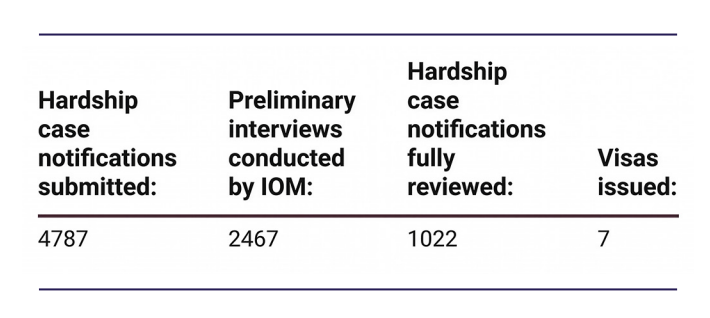
Fig. 1 Figures on the hardship procedure (as of May 15, 2026)
Furthermore, the federal government currently interprets the criteria for “urgent humanitarian reasons” under Section 22, s. 1 very restrictively. A corresponding internal directive from the Federal Foreign Office was made public in September 2025 (see Fig. 2).8 According to this directive, the Federal Foreign Office sets the threshold for the duration of family separation required to constitute a hardship case extremely high. For example, in the case of children above the age of two, only an involuntary family separation of 10 years is deemed sufficient to constitute an “urgent humanitarian reason” — more than half of a child’s life. Other forms of hardship, such as serious illnesses, are also interpreted very narrowly and remain tied to the requirement of a “singular individual circumstance.” In addition, even if the high threshold for hardship is satisfied, strict exclusion criteria apply at the level of discretion.Whether families actually have effective access to an individualized assessment under Section 22, s. 1 can only be adequately assessed by taking a closer look at how the law is applied in practice. The German Caritas Association therefore conducted a broad-based survey asking migration counselors about their and their 5 clients’ experiences with the suspension of family reunification. The results are compiled systematically in the following section. We then discuss the requirements under fundamental and human rights law concerning the suspension of family reunification, as derived from the case law of the highest courts and from recent decisions. In addition, we examine how other European countries ensure access to family reunification and highlight best practices. Finally, based on the survey of migration counseling centers, we discuss how the suspension impacts affected families and the integration infrastructure.
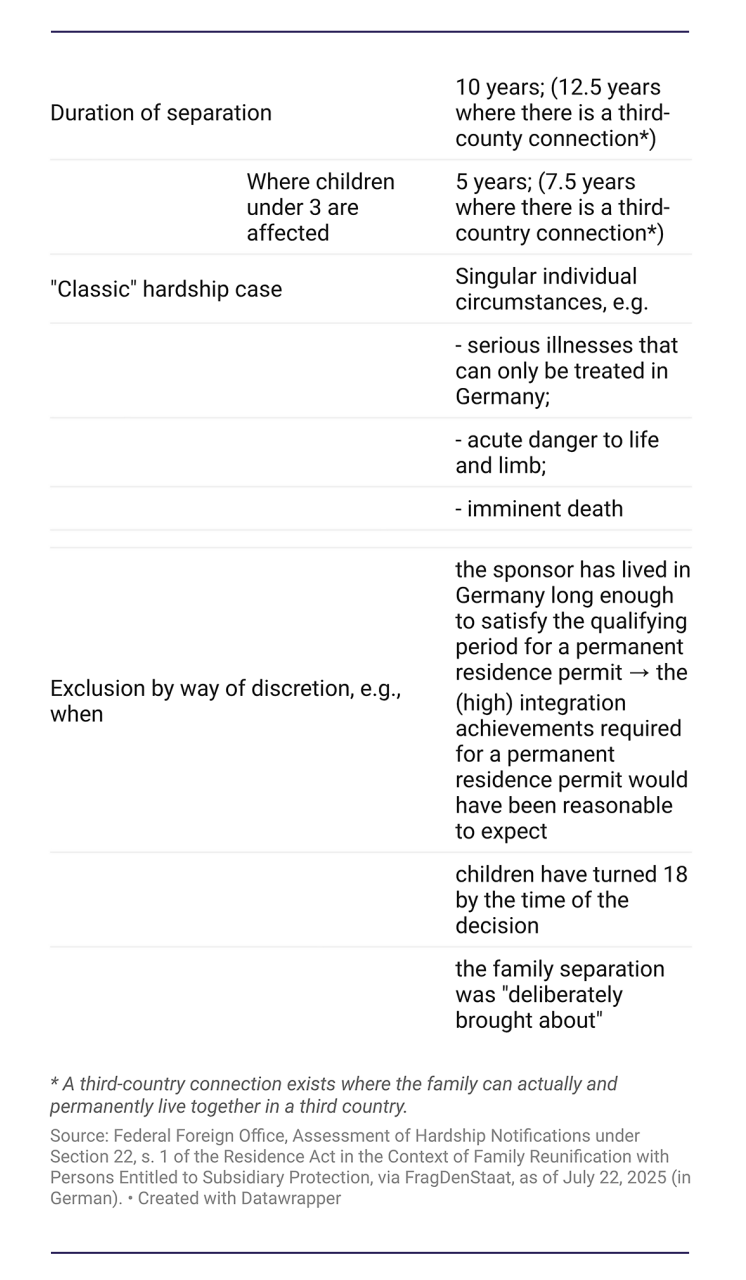
Fig. 2 Criteria for a hardship case in family reunification under Section 22, s. 1 Residence Act according to the Federal Foreign Office.
This section summarizes experiences to date with the hardship provision with regard to transparency and accessibility, as well as with the interpretation of the admission criteria under Section 22, s. 1 of the Residence Act (AufenthG). This is based on a nationwide questionnaire-based survey conducted by the German Caritas Association between January 26, 2026, and February 25, 2026, among full-time migration counselors, in which 292 people participated. These counselors support 3,783 beneficiaries of subsidiary protection who are seeking family reunification.
59 of the counselors who participated in the survey had already assisted families in filing hardship case applications at the time of the survey. Their feedback is based on their experiences advising on 170 hardship case applications.
The survey results are supplemented by the experiences of lawyers from IRAP in representing affected families, particularly with regard to access to legal remedies.
Until the end of March 2026, the Federal Foreign Office provided very limited information about the possibility of filing a hardship case application and primarily referred applicants to a dedicated IOM FAP email address:9 No specific information was provided regarding the procedure, the requirements for filing a claim or legal remedies. It was not until the end of March 2026 that the information on the Federal Foreign Office’s website became more detailed, setting out the individual steps of the process at IOM FAP, the Federal Office of Administration (BVA), and the diplomatic mission abroad.10 Only since then has the information included details on legal remedies and been made available in English as well as German.
In response to an initial contact with IOM FAP, families typically receive a standardized email explaining what information and documents must be submitted. In particular, a detailed description of the reasons for claiming hardship is requested. This email does not contain any information about the procedure or the criteria.11 In several cases, even specific inquiries received only the standardized email in response, including when the families had already submitted the requested information.
Based on the information on the Federal Foreign Office’s website and the standardized email from IOM FAP, affected families are given insufficient information to submit a hardship case notification in a form that meets the Federal Foreign Office’s requirements. The results of the Caritas survey also show that the requirements for a hardship case notification are unclear even to advisors who are proficient in the language and knowledgeable about the subject matter:
“It was unclear which documents were required for the applications; everything that was available was sent to IOM. It is questionable whether the medical certificates meet the requirements set by the Federal Foreign Office.”
“There is a great deal of uncertainty about how the special humanitarian grounds should be presented (scope).”
This general lack of clarity is exacerbated by the highly standardized communication during the preliminary proceedings:
“The application process in the preliminary proceedings is not transparent. Submissions of applications and specific inquiries are answered with a standard email. Inquiries go unanswered.”
“Submitting the documents was a lengthy process in both hardship cases, as the documents were requested multiple times, giving the impression that the documents already submitted had not been reviewed.”
Overall, families find it difficult — if not impossible — to obtain the information needed to make an informed decision about initiating a hardship case procedure and to do so in a manner that meets the relevant requirements.12
After a hardship case notification is submitted to IOM FAP, it is responsible for reviewing the completeness of the documents. If the notification indicates a potential hardship case, IOM FAP conducts a personal online interview with the families. According to the German government, as of May 15, 2026, IOM FAP had interviewed just over 50% of the families who had submitted a hardship case application to date (see Fig. 1).
Of the 170 cases included in the survey, IOM FAP had conducted interviews with 30 families regarding their hardship case notifications. For the 30 cases in which an interview had already taken place, the average time between the submission of the notification and the inter12 For the target group of migration advisors, this gap was partially filled by civil society organizations and welfare associations, which offered detailed written information and training events following the suspension. view was 2.3 months. However, waiting times vary considerably. In four cases, an interview took place within the same month that the application was submitted to IOM FAP. In another case, the family waited eight months for an appointment after submitting the application. The survey data offers no explanation for this variation — there is no correlation with factors such as whether children are involved or whether there are particularly long periods of separation.
The lawyers at IRAP have also represented several cases in which, despite high urgency, no appointment was scheduled by IOM FAP. One case, for example, involved a Kurdish toddler with a life-threatening illness untreatable in the region. The child’s parents contacted IOM FAP immediately after family reunification was suspended in July 2025. An appointment was not scheduled until eight months later, after the authorized attorney had repeatedly flagged the urgency of the case and ultimately filed a lawsuit.
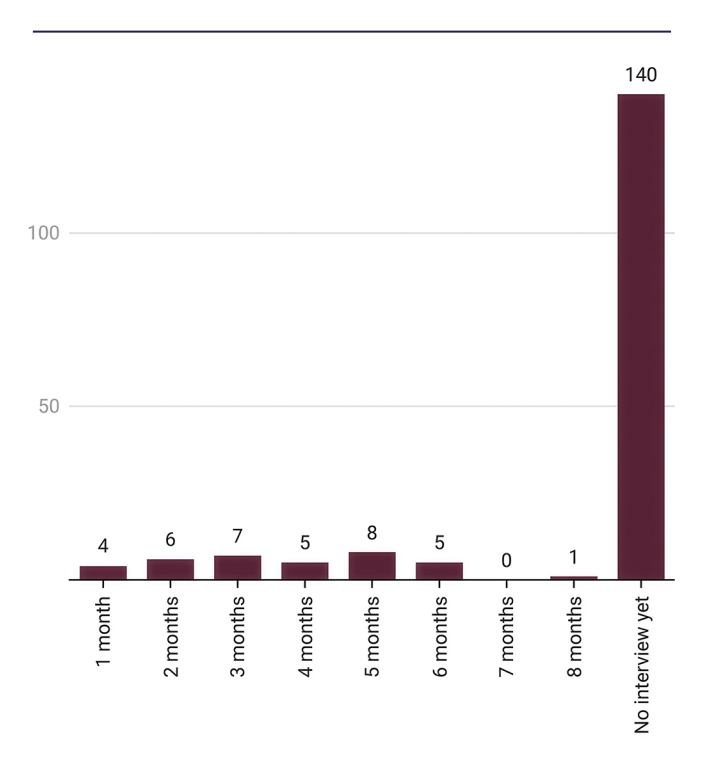
Fig. 3 Waiting time between hardship case notification and interview
Given the wide variation in waiting times, there is significant uncertainty among advisors as to when procedural steps can be expected:
“So far, apart from an acknowledgment of receipt, there has been no response from any agency. It is completely uncertain whether a decision on the applications will even be made before the suspension ends.”
“Despite waiting several months, there has been no response from the IOM regarding the hardship case notification.”
During the interviews, it is generally the family members abroad who are interviewed, except where they are unaccompanied minors traveling alone. According to IRAP’s experience, the interview can be very brief (20 minutes), even in complex medical cases. Following the interview, the case is supposed to be forwarded to the Federal Office of Administration and the Federal Foreign Office for a decision. Families are often not informed about this step or when it will occur. As a result, even months after their interview, most families still do not know how their case is proceeding.
“In one case, the wife was invited by the IOM to an appointment, and now we haven’t heard anything for months. That’s unsatisfactory and frustrating.”
“There’s no follow-up after the interview with IOM regarding what happens next. I don’t know whether the cases were forwarded to the Federal Foreign Office or whether they were rejected outright.”
Throughout the entire process, it remains unclear in which order IOM FAP processes the applications and whether certain case constellations are prioritized. According to the Federal Foreign Office, even incomplete applications are forwarded for review, while IOM FAP is simultaneously expected to ensure the facts are as fully documented as possible.13 In this context, significant delays can arise, particularly in cases where the reasonableness of obtaining documents is disputed — as it often is in cases involving displaced people. It is also unclear whether the Federal Foreign Office, for its part, prioritizes certain requests.
The Federal Foreign Office’s extremely restrictive directive on the application of hardship case criteria (see Section 1) sends a clear signal to the advisors. Numerous advisors stated that they had declined to assist clients in filing a hardship case notification because they perceived them as having little chance of success:
“The circumstances did not meet the narrow criteria within which the legislature defines a hardship case. (…) Every individual case is extremely difficult for the affected family, impairs their ability to integrate, and simply drives people to despair. I do not want to be guilty of giving my clients and their families false hope that is doomed to fail.”
“There is very little information available on what qualifies as a hardship case. For example, I was asked twice whether autism in children is recognized as a hardship case. I was unable to answer the question and have not found any guidance on the matter. In another case, the child has an eye condition. I have been unable to make any progress on this issue either.”
According to applicable case law and the internal guidelines from the Federal Foreign Office, a lengthy period of family separation can lead to the recognition of a hardship case. Because the legislature chose not to adopt a cut-off date from which the suspension would apply, families who have already been separated for many years are also affected by the suspension. This is reflected in the cases recorded in the survey: On average, sponsors have already been separated from their families for 3.6 years (see Fig. 4 for details).
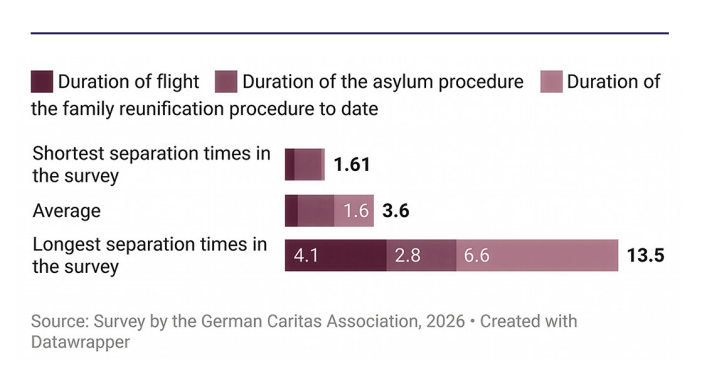
Fig. 4 Duration of family separation in years
According to the Federal Foreign Office’s guidelines, in most of the cases covered by the survey, this long period of family separation alone would not be sufficient for admission. The Federal Foreign Office’s extremely restrictive interpretation of what constitutes a sufficient period of separation helps explain why, for the counseling centers surveyed, the duration of separation plays only a secondary role among the reasons cited for a hardship case. In only nine of the 54 case descriptions included in the survey is the length of separation cited as a reason for the hardship case notification. In five of these case descriptions, there are other reasons — primarily illness — in addition to the family’s long separation. In only four hardship case applications is the long duration of separation the primary reason for the application.
An urgent humanitarian reason under Section 22, s. 1 may also exist if the special circumstances of the family make intervention imperative. According to the Federal Foreign Office, this refers to “singular individual circumstances” that cause the family’s situation to differ significantly from that of other families in the region of origin (for the Federal Foreign Office’s directive, see Section 1).
An analysis of 54 case descriptions collected as part of the survey shows that, in most cases, there are multiple grounds for a hardship case that converge within the family.
In just under half of the cases (24 mentions), a sick or disabled child abroad is cited as a reason for filing a hardship case notification. In 11 descriptions, it is noted that the child’s illness cannot be treated in the region.
“The father is in Germany; his second wife and their children, as well as his minor daughters from his first marriage, are in Syria. One of the daughters from his first marriage is critically ill; her mother died of the same illness. Specialists in Damascus say they cannot help further; the daughter must continue treatment abroad. Her health is deteriorating rapidly, and previous treatments have failed. She is currently in a Kurdish city, with no way to reach specialists due to ongoing fighting.”
There has been no response since the hardship case notification was submitted in August 2025.
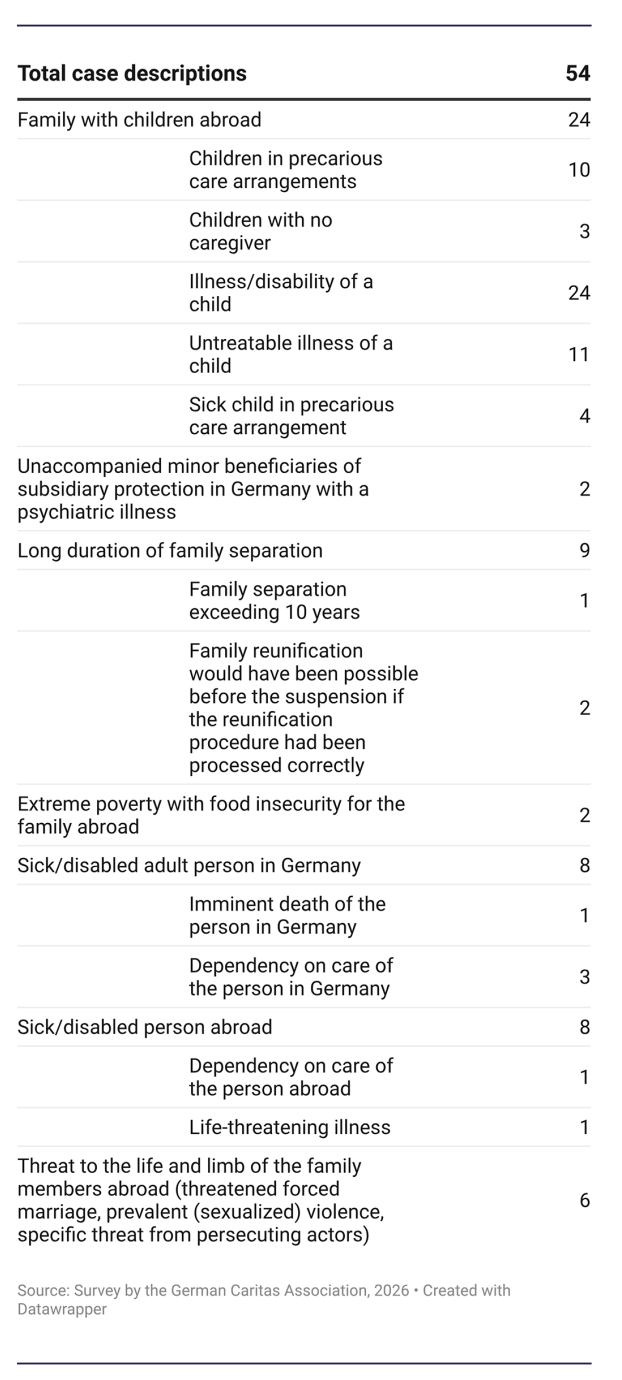
Fig. 5 Reasons cited for a hardship case
“The mother and child have been separated for 13 years. The Somali minor is living unaccompanied in Kenya (without residency status, without access to education, etc.). There are indications that the child has mental health issues. No further care is guaranteed in Kenya, and a return to Somalia and care there is not possible.”
The family has been physically separated since July 2012. The mother filed her asylum application in September 2016. In May 2017, she was granted subsidiary protection. The application for family reunification was filed in December 2018 (submitted after the end of the first suspension of family reunification that was in effect at the time). The hardship case notification was submitted in October 2025; no response has been received to date.
According to the Federal Foreign Office, the mere fact that an unaccompanied (young) child is abroad does not in itself constitute a hardship case, as the comparison group is too large (i.e. too many families are in the same situation). Additional reasons (long period of separation, illness, etc.) must apply for a hardship case to be recognized.14
Eight case descriptions mention sick or disabled adults abroad. It is frequently noted that the illness or disability creates a precarious situation for all family members abroad, especially minors, since the adult ordinarily has no income and significant additional costs arise for the family member’s medical treatment and travel to clinics.
“My client’s wife has multiple sclerosis (medically certified) and cannot receive adequate treatment for it in Syria. Due to her illness, she is unable to work to earn money for the family or to care for their six minor children. The older children cannot attend school because they must care for their mother and younger siblings.”
The husband filed his asylum application in Germany in October 2022. He was granted subsidiary protection in February 2024, and an application for family reunification was filed that same month. The hardship case notification was submitted in October 2025.
Serious illnesses that can only be treated within Germany and the imminent death of a family member are explicitly cited in the Federal Foreign Office’s directive as grounds for recognizing a hardship case. Whether chronic illnesses or conditions that cannot be adequately treated locally can constitute a hardship case remains an open question. What compounds the problem is that official medical certificates that satisfy the German authorities’ strict requirements are virtually impossible to obtain in war and crisis zones.
Six case descriptions report threats to the family member’s life and physical safety abroad. Examples include the threat of forced marriages for girls, threatened or actual sexual violence or threats to the family from nonstate persecutors. Such circumstances are extremely difficult to prove in administrative proceedings, given the near-total absence of written documentation.
Because the review of hardship case applications takes several months and access to legal remedies is difficult (see below), the survey conducted in February 2026 contains hardly any information on the outcomes of the hardship case proceedings described. However, given that only seven visas have been issued as of May 2026 and the Federal Foreign Office’s criteria are highly restrictive, it is unlikely that the cases described will result predominantly — or even partially — in positive outcomes in the administrative proceedings.
The experiences to date of IRAP’s lawyers reveal significant shortcomings in access to legal remedies:
The publicly available information from the Federal Foreign Office suggests that families must file a hardship case notification with IOM FAP and go through the preliminary review process, which lacks any statutory basis.15 In the view of the Federal Foreign Office, the hardship case notification does not constitute an official visa application.16
As described in Section 2.2, after collecting the necessary documents and conducting an online interview, IOM FAP forwards hardship case notifications to the Federal Office of Administration and the Federal Foreign Office for further review. If the review there is negative, the affected individuals receive a written rejection by email from the Federal Foreign Office.17 According to the Federal Foreign Office, this email does not constitute an appealable decision against which a lawsuit can be filed.18
To obtain an appealable decision, a family must first register on the waiting list for an appointment at the relevant German embassy after the hardship case application has been rejected. If they receive an appointment — after a wait of several months — they can visit the embassy to submit a visa application. This application — after an expected further several months of processing, including involvement by the local immigration office at the place of residence of the sponsor in Germany — will likely also be denied. However, only this denial constitutes an official administrative decision against which legal action can be taken.19
This procedural structure severely undermines access to legal remedies. According to established case law of the Higher Administrative Court of Berlin-Brandenburg, which has jurisdiction over visa proceedings, neither an action for failure to act nor a request for emergency relief can be used to obtain a visa if no embassy appointment has yet taken place at which the applicant’s identity could be verified.20 Families who have not yet had an embassy appointment to submit their application — whether because, despite being in need, they were not prioritized, or because their hardship case notification was not forwarded by IOM FAP to the Federal Foreign Office (for example, due to allegedly incomplete documentation) — simply do not have effective access to legal remedies. In practice, many affected individuals therefore find themselves stuck in the preliminary review procedure, without any means of pursuing legal action against it.
This has particularly dire consequences in urgent cases. For example, the relatives of a seriously ill boy whose father holds subsidiary protection in Germany filed a hardship case notification in the summer of 2025. The family had previously been promised a priority appointment at the embassy due to the boy’s illness, but this never materialized following the suspension of family reunification. Despite the family’s repeated inquiries about the status of their case, as of May 2026, not even an interview with IOM FAP had taken place. IRAP’s attorneys are now filing an action for failure to act and an urgent motion in response to this. Both are unlikely to succeed before the Administrative Court due to the lack of an embassy appointment and the resulting inability to verify the boy’s identity. The family remains stuck in the preliminary review process.
The highest national and European courts have not yet ruled on the current German suspension of family reunification for beneficiaries of subsidiary protection. In recent years, however, various highest court decisions have been issued on the reasonableness of family separations, which impose concrete limits on the suspension of family reunification based on fundamental and human rights.
It follows from the case law of both the German Federal Constitutional Court and the European Court of Human Rights (ECtHR) that the blanket rejection of an application for family reunification is impermissible.21 To safeguard the fundamental and human rights implicated by a suspension of family reunification, those affected must retain the opportunity to have their individual cases reviewed by state authorities. The ECtHR emphasizes that this individualized assessment must ensure access to the protection of the family guaranteed under Article 8 of the European Convention on Human Rights (ECHR) in a form that is “practical and effective” rather than “theoretical and illusory.”22 While the Federal Constitutional Court did not ultimately rule on the constitutionality of the first family reunification suspension of 2016-2018 in several interim legal protection proceedings, it likewise indicated that the possibility of a hardship review would play a decisive role in upholding the constitutionality of the suspension.23
In 2021 and 2022, the ECtHR addressed the question of whether suspensions of family reunification for beneficiaries of subsidiary protection introduced in 2016 in Denmark and Sweden violated Article 8 ECHR.24 In doing so, the Court made it clear that, within the framework of the individualized assessment — which it deemed absolutely necessary — a fair balance must be struck between the interests of the families concerned and the interests of the state. In favor of the families concerned, the duration of family separation, the best interests of the child and the situation of family members in both the country of origin and the country of residence must be taken into account. Of particular importance is whether it is possible for the family to reunite in the country of origin or in a third country. With regard to the reasonable duration of family separation, the ECtHR has not set any absolute thresholds. It stated, however, that once the waiting period exceeds two years, the families’ interests carry progressively greater weight.25
In the case of M.A. v. Denmark (2021), the Court found that Denmark’s suspension of family reunification violated Article 8 ECHR. The provision in question imposed a mandatory three-year waiting period before a person could apply for family reunification after being granted subsidiary protection status. The case concerned a childless married couple who were unable to reunite outside of Denmark. The Court found the Danish provision for the required individualized case assessment to be ineffective, as it applied only to “very limited exceptions” and did not allow for an “individualised assessment of the interest of family unity in light of the concrete situation of the persons concerned.”26
In the case of M.T. v. Sweden (2022), the ECtHR concluded that Sweden’s suspension of family reunification did not violate Article 8 ECHR. In reaching this conclusion, the Court attached significance to the fact that the case involved a sponsor who had been a minor at the time of application but had reached the age of majority during the proceedings. According to the Court’s calculation, the actual period of separation between the child and his parents prior to reaching the age of majority thus amounted to only one year and five months. Furthermore, the Court assessed Sweden’s provision for an individualized assessment as generally effective. The relevant provision specifically referred to Sweden’s obligations arising from international conventions such as the ECHR and was therefore, by its wording, not limited to narrowly defined hardship cases.
In both judgments, the ECtHR also addressed as relevant to the states’ interests to what extent the reception and integration systems in Denmark and Sweden had in fact been under particular strain. In this regard, the Court attached most significance to the increase in asylum applications.27 During the relevant years of 2013-2015, the number of asylum applications had tripled across the EU, including in Denmark, within a relatively short period of time.
Taking these guidelines from the ECtHR into account, the current suspension of family reunification for beneficiaries of subsidiary protection in Germany is hardly compatible with the protection of the family guaranteed under Article 8 ECHR. This is true, on the one hand, because — in the absence of a cut-off date provision in Germany — the suspension also affects families who have been pursuing their proceedings for many years. On the other hand, the German hardship provision under Section 22, s. 1 of the German Residence Act (AufenthG) — at least in its current restrictive interpretation — can hardly be considered effective within the meaning of the ECtHR. This applies both to the inadequate access to an individualized assessment and to the Federal Foreign Office’s extremely restrictive interpretation of reasonable periods of family separation. Finally, the strain on Germany’s reception capacities is unlikely to be sufficient to constitute justification for such a serious interference with the right to family life (see Section 5).
Recent case law from the German Federal Administrative Court (BVerwG) on reasonable separation periods in family reunification cases sheds further light on the constitutional limits of family separation. The Court addressed the question of whether it is lawful to exclude a so-called “transit marriage” (a marriage entered into after leaving the country of origin during flight) from the quota regulation under Section 36a of the Residence Act for family reunification with persons entitled to subsidiary protection. The quota regulation has since been suspended, but was in effect at the time of the decision in 2020. It ruled that the general exclusion of such marriages is permissible as long as the constitutional protection of marriage and family (Article 6 of the German Basic Law) can be accounted for through exceptions.28 At the same time, the Court established threshold values for a constitutionally acceptable family separation period in this decision:
In the same proceedings, the Federal Administrative Court also examined whether, in exceptional cases, a visa could be granted under Section 22 of the Residence Act. In this regard, it pointed out that the threshold for granting a visa under Section 22 must be higher than that for recognizing an exception to the general exclusion from family reunification for beneficiaries of subsidiary protection under the — then still valid — quota regulation of Section 36a.30
It is precisely this reference that the Federal Foreign Office now relies on in its directive on the interpretation of hardship cases under Section 22, s. 1 during the current suspension of family reunification (see Section 1). It uses it as a basis to increase the threshold for reasonable family separation from four to 10 years, thereby more than doubling it. In doing so, however, the Federal Foreign 14 Office disregards the fact that, as a result of the suspension of family reunification, Section 22 has acquired a new function within the overall structure of residence law, namely that of safeguarding the constitutionality and compliance with human rights of the suspension as a whole. The legislature explicitly assigned it this role, and it must not be undermined by a restrictive application on the part of the administration.31 In its case law regarding the standard thresholds for transit marriages, the Federal Administrative Court has already carried out a constitutional balancing exercise between the individual interests of the families and the state’s interest in effective immigration control. That same balance of interests applies in the present context.
No consistent line of case law has yet emerged regarding the application of Section 22, s. 1 of the Residence Act in the context of the current suspension of family reunification. The decisions available thus far have come largely from courts of first instance. Landmark decisions by the Higher Administrative Court of Berlin-Brandenburg and the Federal Administrative Court have not yet been issued.
At the first-instance level, particularly at the beginning of the suspension, individual chambers of the Berlin Administrative Court found that a “classical” interpretation of Section 22, s. 1 was required, according to which visas should be granted only in singular individual cases.32 This legal position is unlikely to prevail, however, given that the legislature explicitly assigned Section 22 the function of ensuring that the suspension complies with the German Constitution and human rights.
Recent decisions by the Berlin Administrative Court generally recognize that, within the framework of Section 22, s. 1, the protective effects of Article 6 of the German Basic Law and Article 8 ECHR must be taken into account. In practice, however, the case law sometimes proves to be restrictive. For example, some decisions assume that an excessively long separation alone does not suffice to justify the issuance of a visa under Section 22, s. 1, but rather that additional exceptional circumstances must be present.33
By contrast, other chambers of the Berlin Administrative Court have held that excessively long periods of separation alone may well be sufficient to establish a claim to family reunification under Section 22, s. 1.34 The 38th Chamber, for example, sets the threshold for an unreasonable family separation period at four and five years, respectively. This is far below the extremely high thresholds of 10 and 12.5 years, respectively, which the Federal Foreign Office set forth in its internal directive.35
This section places Germany’s suspension of family reunification in the context of practices in other EU member states.36 In addition to the sources cited, it draws on IRAP’s experience representing clients in family reunification proceedings in Sweden and Belgium.
As of 2025, most EU member states make no distinction between refugees and beneficiaries of subsidiary protection when it comes to family reunification.37 In not doing so, they follow the recommendations of the European Commission, which, in its 2014 guidelines on family reunification, called on member states to grant refugees and beneficiaries of subsidiary protection similar rights, as they have the same humanitarian protection needs.38
In 2024, Austria and Latvia were the only EU member states in which beneficiaries of subsidiary protection were subject to a waiting period before they could apply for family reunification. In 2025, in addition to Germany’s suspension, Belgium and Finland also introduced an individual two-year waiting period for beneficiaries of subsidiary protection. In June 2026, the Netherlands and Ireland, which falls outside of the scope of the EU’s Family Reunification Directive, followed suit (see Fig. 6).
In Belgium, a transitional provision ensures that the waiting period applies only to individuals who were granted subsidiary protection status after the law took effect. In February 2026, the Belgian Constitutional Court temporarily suspended the waiting period and other restrictions for beneficiaries of subsidiary protection and referred questions on these regulations’ legality to the Court of Justice of the European Union (CJEU) for a preliminary ruling.39
In the Netherlands, where the family reunification restrictions were introduced without a transitional provision, the government has launched a pilot scheme under which it currently processes only a small number of affected cases. The scheme is aimed at obtaining a highest court ruling on the lawfulness of the restrictions and whether transitional provisions are required prior to issuing decisions on a large number of cases.40
In addition to an existing three-year waiting period for family reunification for beneficiaries of subsidiary protection, Austria introduced a law in July 2025 that allowed the government to suspend the processing of family reunification applications for six-month periods over a total period of two years. The law applied equally to refugees and beneficiaries of subsidiary protection. ➃ 16 It faced strong political and legal criticism, as it clearly violated the EU Family Reunification Directive and instead invoked Article 72 of the Treaty on the Functioning of the European Union (TFEU), with the Austrian government citing a threat to public order or national security as its justification for derogation from EU law.41 In June 2026, Austria’s suspension law was replaced by a restrictive quota system.
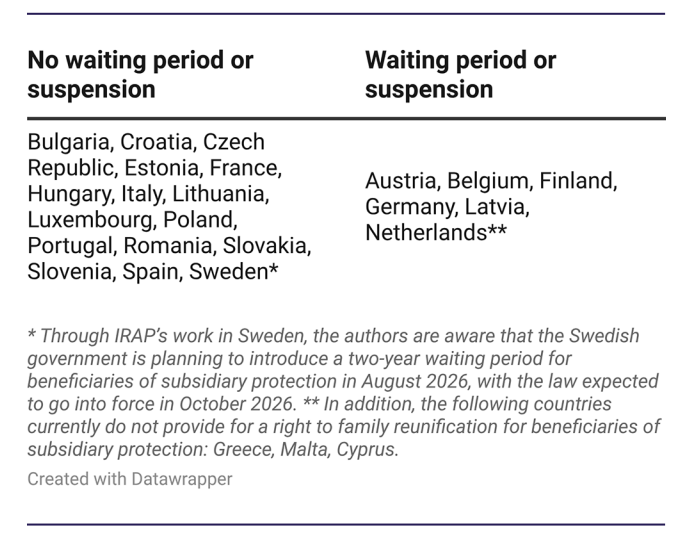
Fig. 6 Family reunification for beneficiaries of subsidiary protection in a European comparison42 (As of July 8, 2026)
In the majority of countries that have temporarily suspended family reunification for beneficiaries of subsidiary protection, the restrictions take the form of a mandatory waiting period (see Fig. 7). This period may last up to two years, or three years in exceptional cases.43 Only Germany and Austria (2025-2026) have introduced a blanket suspension of the processing of all applications, regardless of the waiting period already elapsed in individual cases. Germany had already implemented a blanket suspension of family reunification for beneficiaries of subsidiary protection from 2016 to 2018, as had Sweden from 2016 to 2019. In both cases, however, the blanket suspension was subject to a cut-off date provision, meaning that only cases involving beneficiaries of subsidiary protection who had received their residence permits after a specified cut-off date were affected. The current German suspension law does not include such a cut-off date provision.
Without a cut-off date provision, a blanket two-year suspension of family reunification will result in significantly longer waiting times for those affected than an individual two-year waiting period. As described in Section 2.3, this currently leads to periods of family separation of five years or more in Germany. A two-year individual waiting period, on the other hand, means that a person with subsidiary protection status must wait two years after receiving a residence permit before they or their family can apply for family reunification. Since many families in Germany already wait nearly two years for an embassy appointment to apply for family reunification, such a waiting period already effectively applied to them, even without the suspension of family reunification.44
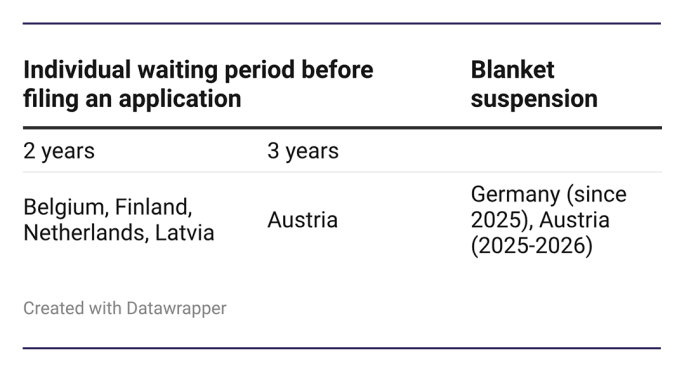
Fig. 7 Design of the Family Reunification Suspension for Beneficiaries of Subsidiary Protection
All countries that have currently suspended family reunification for beneficiaries of subsidiary protection have introduced a mechanism for assessing individual cases during the suspension. This individualized case assessment — in the German context referred to in narrower terms as the “hardship assessment” — is intended to ensure that families who, due to the individual circumstances of their situation are entitled to family reunification under Article 8 of the ECHR, can continue to assert this right (see Section 3).
The individualized case assessment is structured differently in the various countries. In all countries except Germany, however, those affected by the suspension can apply for a visa directly with the competent authority. Germany alone requires families to go through a preliminary procedure with a non-governmental body such as IOM FAP before they can apply for a visa under the German hardship provision. As described in Section 3, this gives rise to significant problems regarding transparency and access to legal remedies.
The example of Sweden’s 2016-2019 suspension shows how access to the individualized case assessment can alternatively be structured at the administrative level. In Sweden, pending family reunification applications continued to be reviewed during the suspension under the Swedish provision for individualized assessments. No separate application was required. If the review resulted in a negative decision, a notice of denial was issued, which opened the way for legal recourse.
In sum, Germany’s approach is more restrictive than the European standard — both in the legislature’s decision to suspend family reunification for beneficiaries of subsidiary protection at all, and in how that suspension and the required individualized case assessment have been designed. Germany stands out for imposing a blanket suspension with no cut-off date and for requiring an informal preliminary review procedure as part of the individualized case assessment. Compared to other EU member states’ practices, this approach entails significant disadvantages for the families affected.
When fundamental rights are infringed upon, a balancing of interests must always take place: Does the state’s interest in a particular regulation outweigh the individual fundamental rights that are thereby curtailed? Germany’s law suspending family reunification for beneficiaries of subsidiary protection justifies the suspension by reference to the challenges faced by states (Länder) and municipalities as a result of family reunification for beneficiaries of subsidiary protection, in particular with regard to the provision of adequate housing.45 The suspension is deemed an appropriate measure for easing the burden on municipalities. According to the government, it does not impose so heavy a burden on affected families as to be incompatible with fundamental rights.
The suspension of family reunification places an enormous psychological and social burden on those affected. Recent sociological and psychological research on family reunification shows a clear negative correlation between family separation and displaced people’s mental health, life satisfaction and integration outcomes.46 These correlations are also reflected in the results of the survey conducted.
When asked about the effects of the suspension of family reunification on their work and the social infrastructure, 129 counselors (out of 164 respondents) cited a sharp increase in psychological stress, as well as feelings of powerlessness and despair, among beneficiaries of subsidiary protection living in Germany. Counseling centers reported an increased need for stabilization sessions; in some cases, referral to psychiatric treatment was necessary. Three respondents mentioned suicidal thoughts on the part of the person living in Germany.
“People who were already well on their way to integration are sinking into hopelessness and resignation.”
“Massive psychological strain on those affected; a client became depressed and contemplated suicide; a woman in her country of origin considered separation because her future prospects were completely uncertain.”
Furthermore, 59 responses linked family separation to a reduced ability to participate in society and integrate on the part of the sponsor in Germany. Respondents particularly emphasized a reduced ability to concentrate on work, training, school or language learning. This connection is also confirmed by research.47
“Clients who are now, due to the suspension, separated from their families for at least two years are under severe psychological strain. They can hardly concentrate on German classes and/or work. They come in for counseling more often and require much more psychosocial support.”
“Those affected are extremely stressed, and both learning German and engaging in integrative (leisure) activities take a back seat.”
36 of 164 responses to the question about the effects of the suspension on affected families addressed considerations by the family of finding other ways to live together. Of these, 16 mentioned intensive counseling for the person in Germany regarding a change in residence status. 14 responses addressed the consideration or implementation of a (voluntary) return to the country of origin or first country of refuge. In eight responses, considerations of family members entering the EU via life-threatening, illegalized routes are described.
“There was one case in which the family set out on their own, ended up in Greece, and then made their way to Germany through the cumbersome Dublin family reunification process, with all sorts of resulting complications.”
“Many struggled with the idea of returning completely to end family separation but were aware of the dire situation in Syria and were torn in their decision.”
The counselors assess the impact of the suspension on those entitled to protection in Germany as extremely negative. The primary concern is the psychological strain and its effects on autonomy and motivation. However, the significant impact on the medium- and long-term life plans of the affected families and their ability to care for one another are also clearly evident. The suspension of family reunification is thus enormously burdensome for individual family members and for cohesion and mutual care among family members.
Positive effects of the family reunification suspension on the municipal integration infrastructure are either not mentioned or actively denied in the survey of migration counselors. Only two participants noted that, while the situation in the municipalities had not improved with regard to reception structures, additional strain on the infrastructure had been avoided. The legislature has not planned any measures to assess whether the suspension of family reunification has achieved its objectives. In March 2026, the German government stated in general terms that the suspension of family reunification had reduced incentives for immigration to Germany and that the number of new arrivals had dropped significantly, without providing evidence for this correlation.48
In fact, the number of foreign nationals moving to Germany has been declining steadily since 2022.49 The number of asylum applications has been falling since 2023 (see Figure 8), as has the number of entries via family reunification.50
The burden on municipalities resulting from the need to house displaced people and their families persists, in part regardless of entry figures. Due to the tight housing market, many are unable to move from municipal housing into their own apartments, even after extended periods.51 However, in November 2025, municipalities reported an easing of the situation regarding refugee housing. Just under 50% of the municipalities surveyed by Mediendienst Integration and the University of Hildesheim saw an improvement in the housing situation since November 2024.52 As a result, only 11% of municipalities still report being overburdened. However, just under three-quarters of the municipalities continue to describe the situation as challenging.
The effects of the suspension of family reunification on the burden placed on municipalities regarding integration must be viewed in the context of an overarching trend of declining arrivals, both of protection-related migration and other migration flows to Germany. This trend began well before the suspension of family reunification in the summer of 2025. Isolated effects of the suspension on municipal capacity are difficult to identify reliably. Where they exist, they are overshadowed by far more significant trends in overall immigration figures.
The question of whether suspending family reunification achieves the goals intended by the legislature therefore remains open. This must be weighed against the massive negative impact on the families affected. When assessing whether the suspension of family reunification should be extended beyond the initial two years, the interest of beneficiaries of subsidiary protection in living with their families must take precedence.
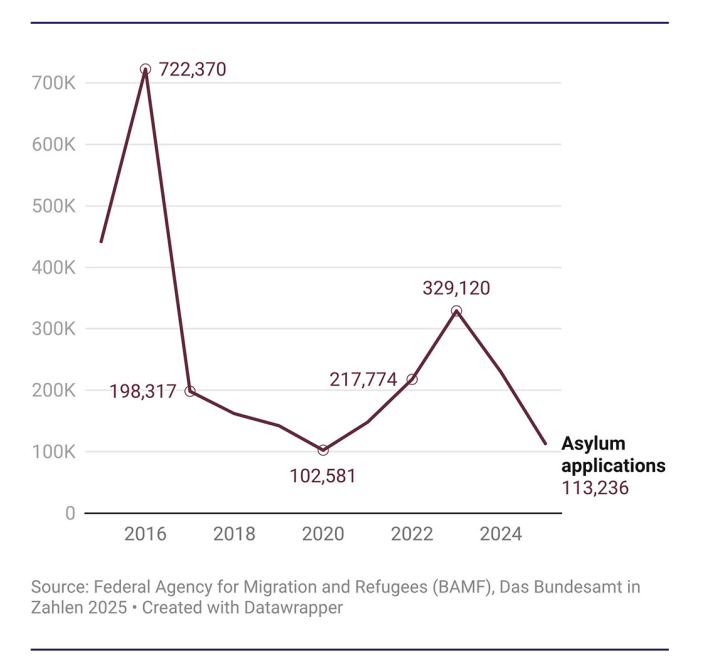
Fig. 8 First-time asylum applications in Germany, 2015–2025
This report highlights the legal and practical implications of the suspension of family reunification for beneficiaries of subsidiary protection, leading to four recommendations for the legislative and executive branches of the German government:
The suspension of family reunification for beneficiaries of subsidiary protection should under no circumstances be extended beyond July 23, 2027. In the future, the instrument of suspending family reunification should be dispensed with altogether.
The suspension has drastic psychological and practical consequences for the families affected. This is documented both by the results of the counseling center survey and by broader research. From the perspective of the German Caritas Association and the International Refugee Assistance Project, the goal of relieving the burden on municipalities cannot take precedence over the constitutionally protected right to family life. This is particularly true given that any direct impact of the suspension on municipal burden is overshadowed by other factors — chiefly the general decline in immigration — and cannot be measured reliably.
For the remainder of the suspension of family reunification, the hardship provision must be adapted with regard to the application procedure and access to legal remedies.
The introduction of a preliminary review procedure for hardship case notifications creates a procedural stage that lies entirely outside judicial review and significantly impedes access to legal remedies. The latter is particularly problematic because there is currently no clear, established case law regarding the issuance of visas under Section 22, s. 1 of the Residence Act. The preliminary review by IOM FAP must be discontinued; applications for admission on hardship grounds must be reviewed as part of a regular visa procedure.
The requirement formulated by the governing parliamentary groups — that the hardship case regulation should be transparent and that “responsibilities and the application format, including access to legal remedies against negative decisions, must be clearly defined” — has not been met, particularly during the suspension’s first eight months. The responsible authorities must promptly publish detailed information on the procedure in multiple languages.
For the remainder of the suspension of family reunification, the Federal Foreign Office must align its assessment of reasonable separation periods with the case law of the European Court of Human Rights (ECtHR).
According to the ECtHR, involuntary periods of family separation lasting two years or more become increasingly difficult to reconcile with the protection of the family guaranteed under Article 8 of the European Convention on Human Rights (ECHR). The Federal Foreign Office’s current interpretation of the hardship criteria in Section 22, s. 1 — according to which periods of family separation are deemed unreasonable only after 10 years — clearly contradicts this standard. The assessment of what constitutes a reasonable separation period under fundamental and human rights law must, at a minimum, be aligned with the case law of the Federal Administrative Court, which sets a threshold of four years.
After the suspension ends, families who have been separated for many years must be reunited as quickly as possible. This applies particularly to the reunification of parents with unaccompanied minor beneficiaries of subsidiary protection.
A return to quota-based reunification — and thus an extension of the separation period into uncertainty — must be ruled out. Family reunification for beneficiaries of subsidiary protection should once again be brought into line with reunification for recognized refugees.
The German Caritas Association is the social welfare organization of the Catholic Church in Germany. The federal office of the German Caritas Association advocates for a world based on solidarity, in which the dignity of every individual is respected. At Caritas migration counseling centers nationwide, migrants are supported as they arrive and settle in Germany.
The International Refugee Assistance Project (IRAP) is a global legal aid and advocacy organization working to create a world where everyone has a safe place to live and a safe way to get there. IRAP maintains offices in New York City, Berlin, Amman, and Beirut. Based in Berlin, IRAP Europe has been providing legal support since 2021 in family reunification and humanitarian admission proceedings in Germany, France, the United Kingdom, Sweden and Belgium, including through litigation before international courts and treaty bodies.
